Why does exploitation rise during Christmas?
The holidays should be a time when gifts convey care—not conceal cruelty.
Today, around 53 million people live in conditions of modern slavery, the majority being women and girls. One in three victims is a child. Much over 28 million individuals are forced into labour to produce the clothes we wear, the gadgets we buy, the chocolate we eat, and the jewellery we gift.
Children dig for cobalt used in electronics, work on cocoa farms that supply our favourite treats, and stitch garments that end up on our festive shopping lists.
In the UK and Ireland, young people are also drawn into drug trafficking, as criminal groups exploit increased travel, spending, and seasonal demand.
Beneath the lights and celebrations of Christmas, a darker reality persists.

What kinds of exploitation increase during Christmas?
Human trafficking is a crime against humanity. It involves recruiting, moving, transferring, harbouring, or receiving someone through force, coercion, or other manipulative means — for the purpose of exploitation.
Each Christmas season we see a rise in labour exploitation, child criminal exploitation, and the misuse of “county-lines.”
Labour exploitation happens when people are forced to work for little or no pay, often under threat of punishment or coercion.
Criminal exploitation occurs when traffickers force individuals (often children or youths) to commit illegal acts like drug trafficking, forced begging or theft. Many victims are between 6 and 17 years old.
County lines exploitation refers to the illegal drug operations that move drugs from one area to another — often across regional boundaries — with vulnerable children being coerced into transporting them.
Sexual exploitation takes place when someone (usually a woman or girl) is coerced, pressured, or manipulated into sexual activities against their will.
These forms of exploitation sadly become more common during the holiday season.
What warning signs should we be aware of?
Human trafficking frequently occurs openly, yet many victims are too scared, isolated, or tightly controlled to seek assistance. By learning to spot the indicators, we can help disrupt the secrecy that enables exploitation to thrive. Increasing awareness empowers communities to safeguard vulnerable individuals, report suspicious situations, and take an active stand against this serious abuse.
Here are several warning signs that could suggest someone is being trafficked:
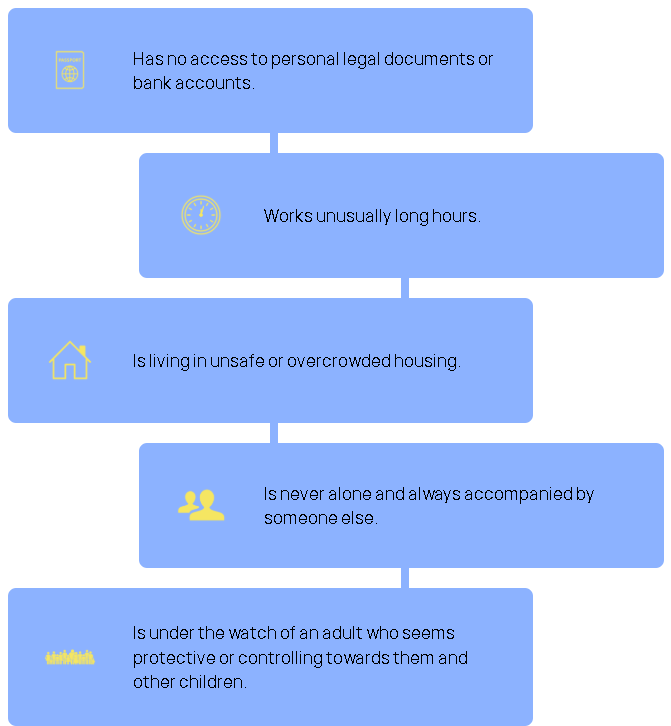
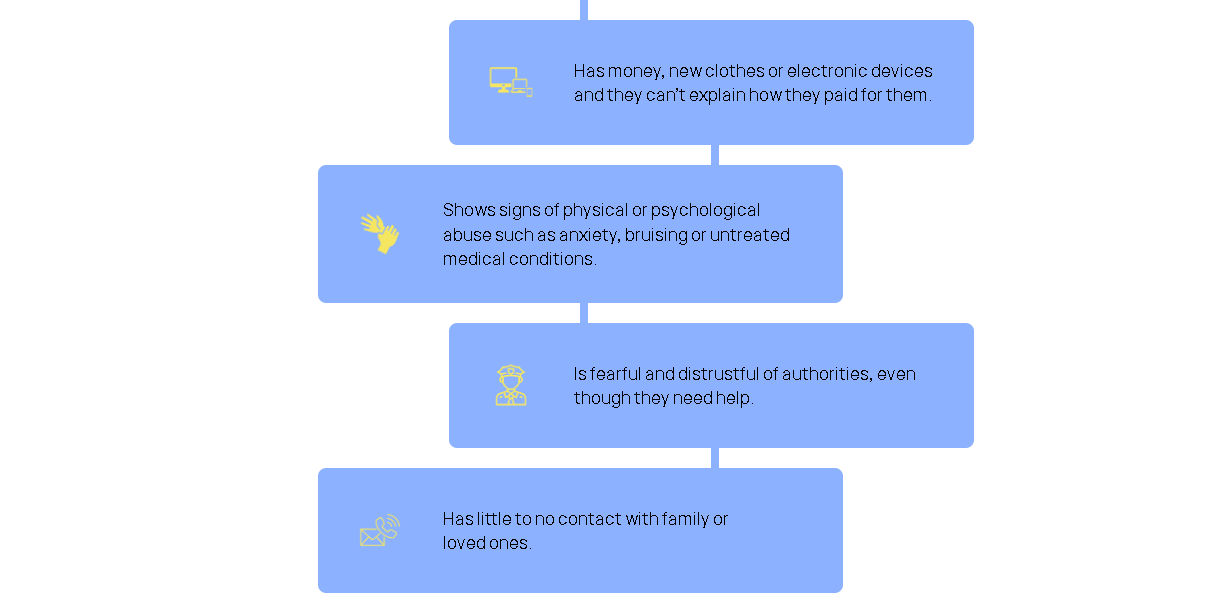
Seeing these kinds of changes in a friend, family member, or someone you know does not automatically mean they are being exploited. However, if you feel someone may be vulnerable or at risk, you can submit a report through our STOP Trafficing (link at the bottom of the page), reach out to a local support organisation, or contact the relevant authorities if there is an immediate threat to anyone’s safety. all information has been provided for you to help your self or someone else.
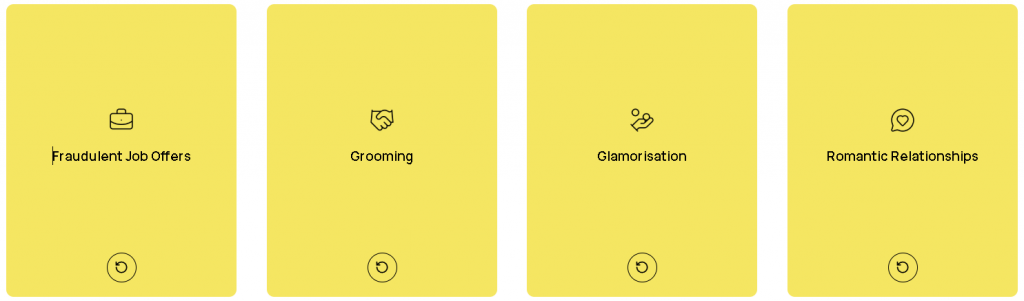
What leads people to become caught in situations of exploitation?
Where can human trafficking or exploitation take place?
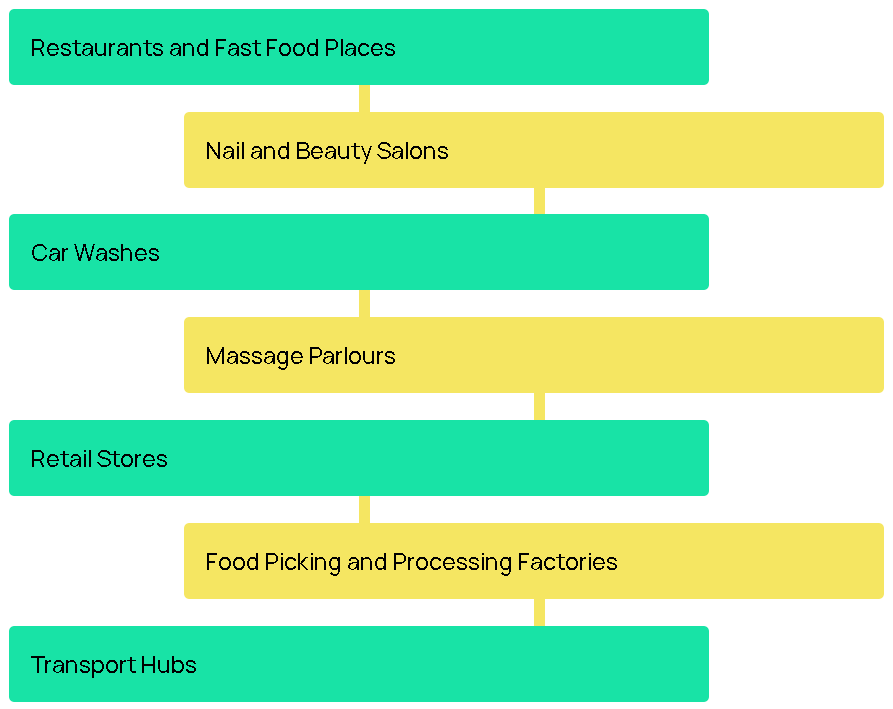
Human trafficking and exploitation can happen in any community—whether urban or rural. Still, some locations and industries face higher risks, especially during this time of year.
Here are some environments where exploitation is more likely to occur:
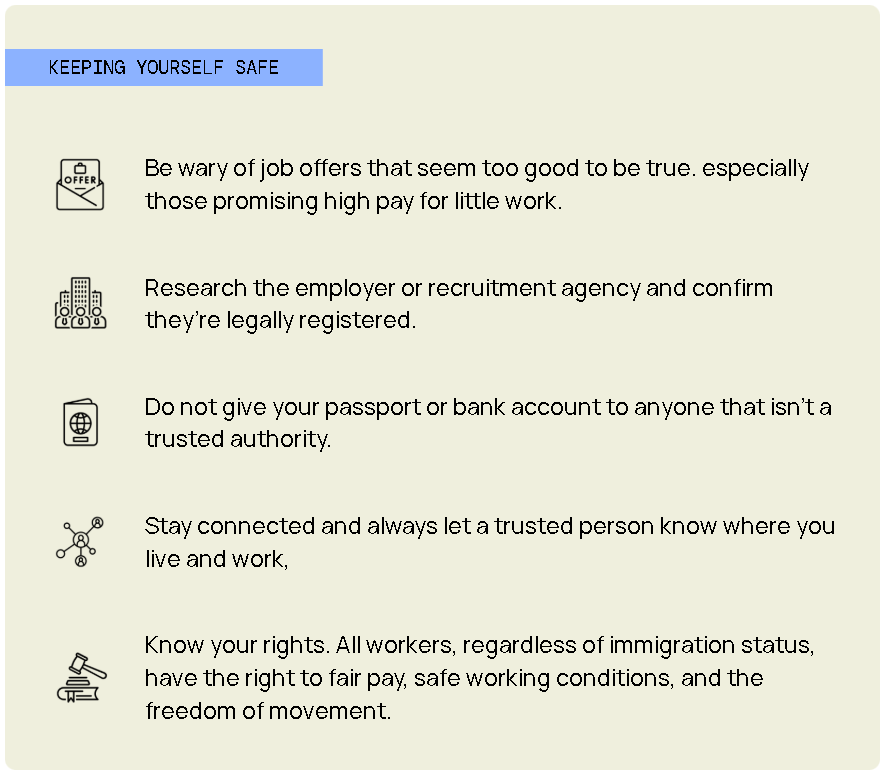
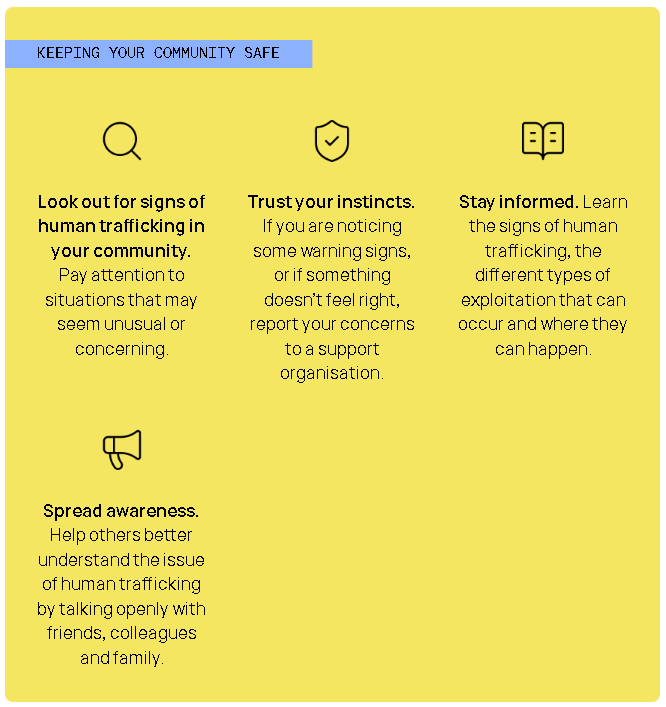
Steps to protect yourself and your community from exploitation